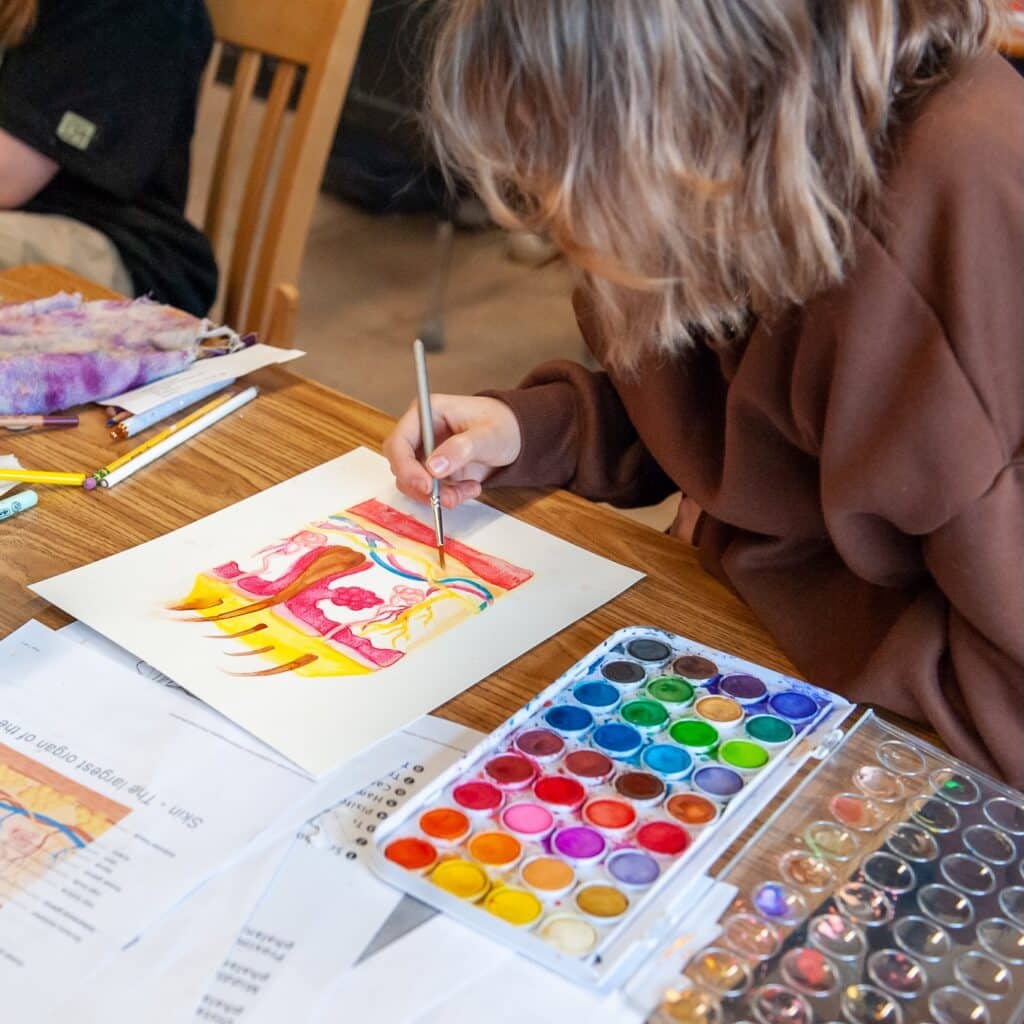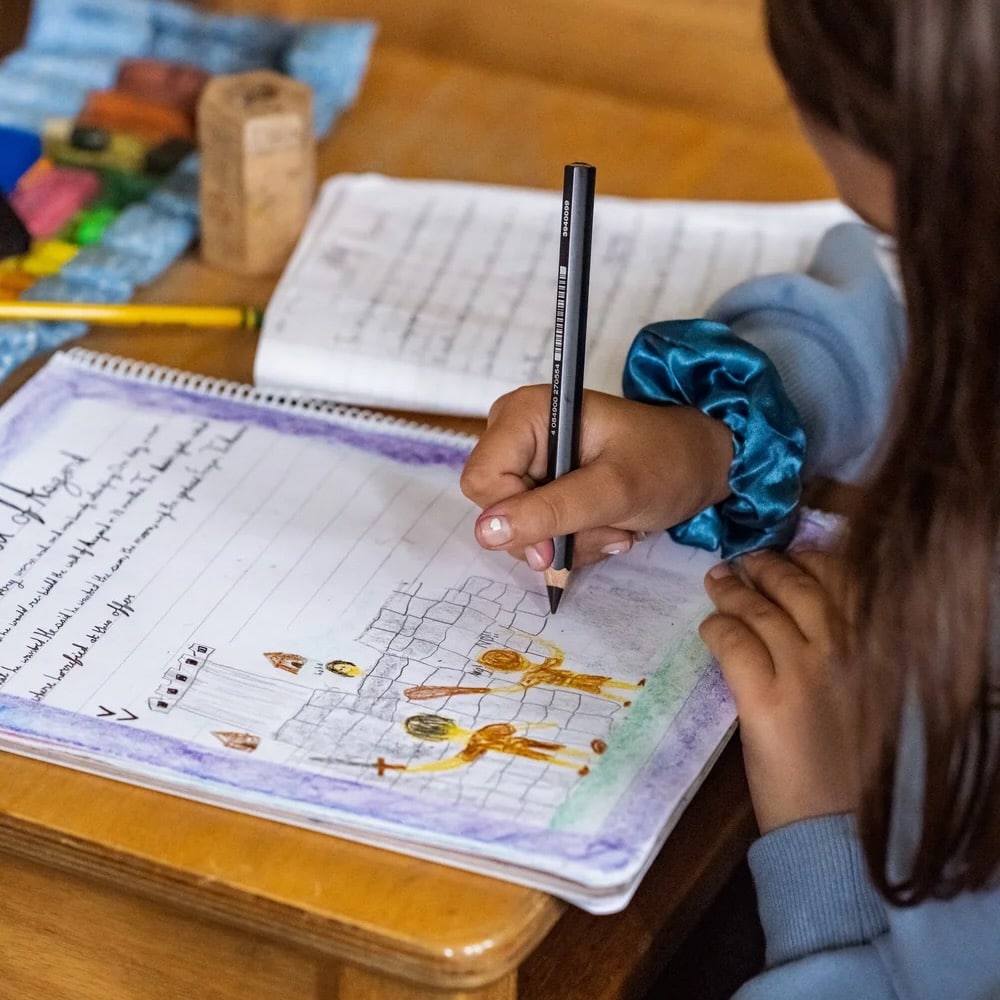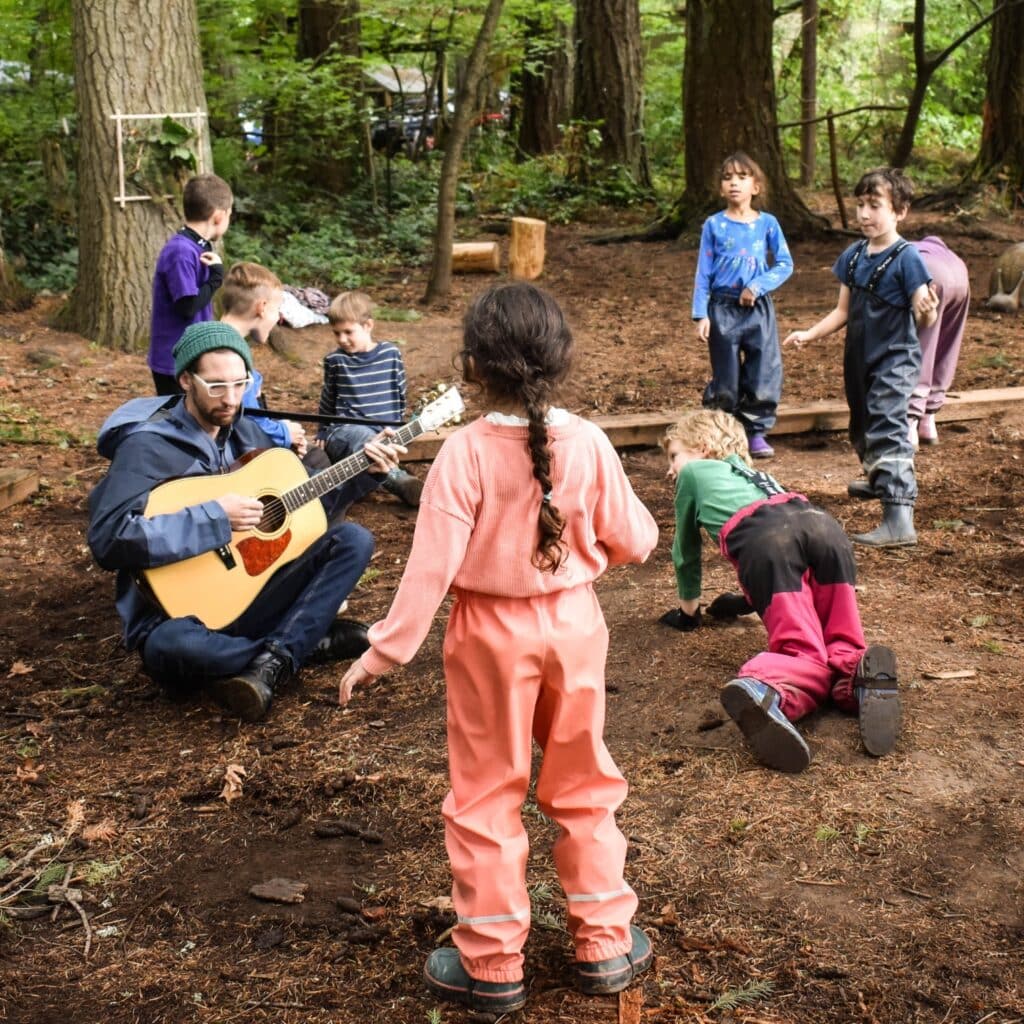

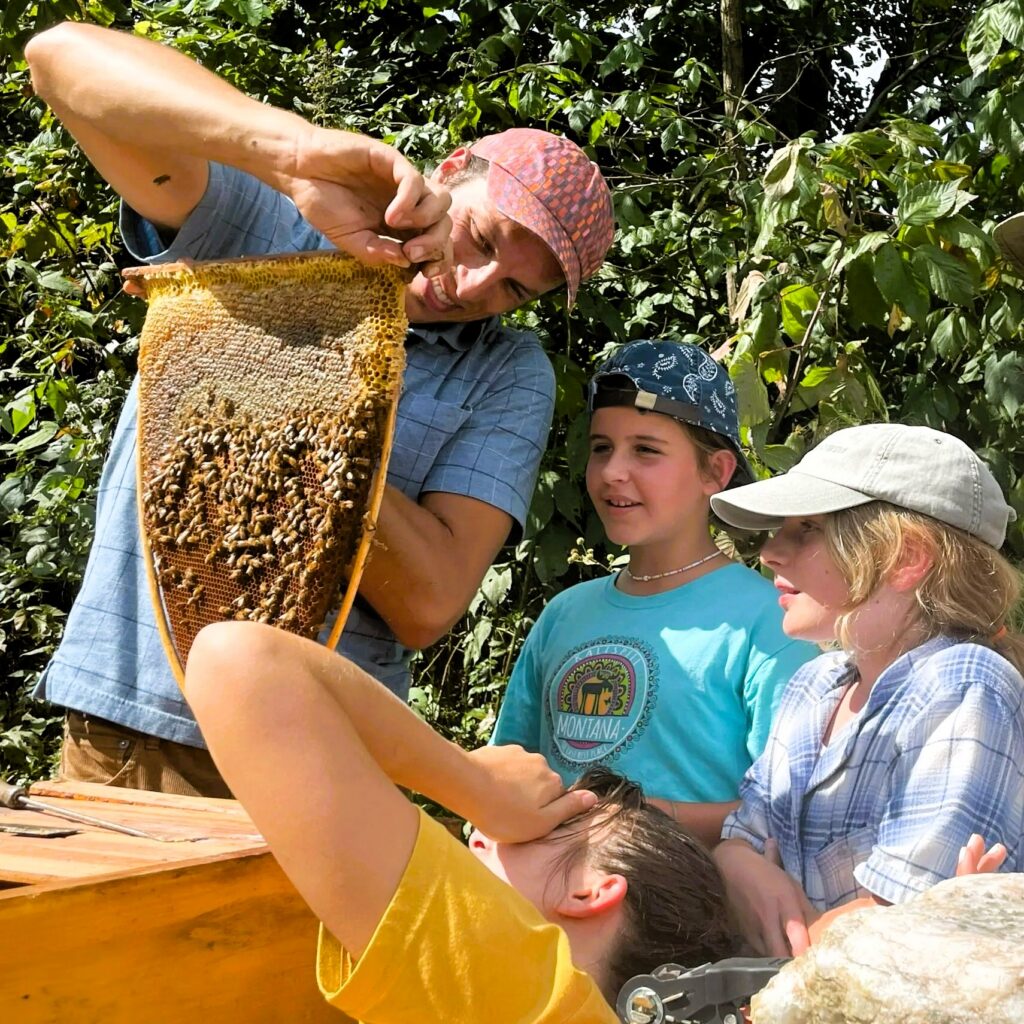
A growing body of large-scale research affirms that experiential learning is how students learn best across all ages and all subject areas. Experiential learning is defined as an educational approach in which understanding grows from lived experience. Learning fractions by baking, physics through observing light, history through drama, or biology through careful outdoor observation, are all examples of this direct, hands-on approach.
When students are invited into an active relationship with their work, learning becomes a natural extension of child development. Younger children learn primarily through play, movement, story, sensory experience, and art, while adolescent learning deepens further by adding reflection, discourse, and experiences within the broader community.
What follows is an exploration of experiential learning research, and the methodologies that most consistently support deep understanding, engagement, and lasting learning.
Research Analysis
There are two umbrella, meta-analyses of 60 studies over 30 years that show the efficacy of experiential learning across different subjects and grade levels. This study published in 2023 found that compared to traditional teaching models, project-based, inquiry-driven learning significantly improved students’ learning outcomes including academic achievement, growth mindset, and critical thinking skills.
This deeper dive meta analysis published in 2025 sought to break down what types of experiential learning most improved outcomes. In summary, they found “fully embodied learning,” experiential learning involving a student’s whole body and senses, had the greatest effect on student success.
Learning Across the Curriculum: Nature’s Role
Not surprisingly, one of the most engaging and effective experiential learning methods for students is learning outdoors. This systematic review of 20 years of studies on nature-specific outdoor learning found learning in nature has measurable emotional, academic, and wellbeing benefits.
Authors reviewed results of nature-based outdoor learning, including curricular lessons, fieldwork, and multi-day programs conducted in natural settings to find that sustained time in nature doing hands-on activities, collaborating, and reflecting were associated with positive academic, engagement, and emotional outcomes.
Deepening Language Comprehension: Movement & the Senses
The authors of this study published in ScienceDirect reviewed 30 years of research on embodied learning in language education, examining how physical and sensory engagement supports language learning, comprehension, and connection. They found whole-body, sensory, experiential approaches increased participation and allowed for deeper processing and comprehension at all grade levels.
In particular, they saw gesture and physical activity were frequently linked to improved vocabulary learning and deeper engagement with language tasks. Arts-based activities such as drama, music, and visual arts contributed not only to language learning outcomes but also to emotional and motivational gains for learners. Drama and role‐play specifically created authentic, meaningful language learning situations and supported learners’ language use in context.
Mastering Mathematics: Collaboration & Manipulatives
This meta analysis of primary school math learning outcomes found that project-based learning improved students’ collaborative, problem-solving, and critical thinking skills. The approach that worked best in this context was the sustained, collaborative project work itself: students actively engaged in multi-week projects where they worked together to explore and solve meaningful problems in mathematics. By working this way, students “advanced their collaboration abilities, including promoting one another’s viewpoints, speaking out when necessary, listening to one another, and participating in thoughtful discussions.”
Using manipulatives, a common experiential approach, was found to be beneficial across all grade levels through college instruction. Guidance was key to success in this realm. Students benefited most when manipulatives were explicitly integrated into instruction, with teachers scaffolding the connection between the concrete tools and the underlying concepts. Using manipulatives meant remembering concepts long-term as compared to learning math through abstract symbols alone.
Strengthening Science: Inquiry & Project Learning
Comparing inquiry-based and conventional approaches in this meta-analysis revealed that inquiry-based approaches have a significantly large and positive impact on students’ higher-order thinking skills.
The authors compared different forms of inquiry and found that guided inquiry, research-based inquiry, and argument-driven inquiry produced the largest positive effects, particularly when students were required to investigate questions, analyze evidence, and justify conclusions.
Inquiry approaches embedded in authentic, real-world problems also showed strong outcomes, likely because they demanded deeper reasoning, reflection, and collaborative viewpoints in order to engage in the application of knowledge.
Lived Experiences: Learning in Waldorf Education
Taken together, this body of research affirms what Waldorf education has long held at its core: learning unfolds most fully when children encounter the world, both indoors and out, through full sensory experiences, hands-on, purposeful projects, and inquiry-based problem solving.
In an increasingly abstract and digital world, experiential education offers something both timeless and essential: learning that engages the whole child and fosters understanding that is lasting, human, and alive. Ultimately, experiential learning calls students into a process of transformation—of self and of understanding the world.
Photo Credit: Richmond Waldorf School